Dr. ERIK
GESLIN
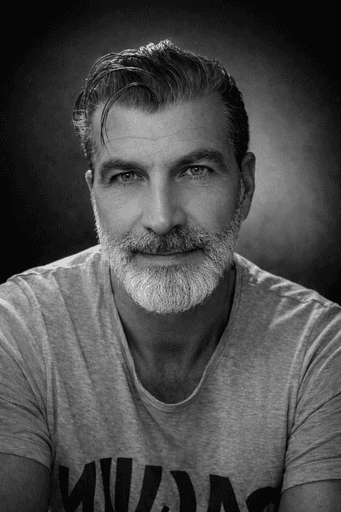
Research and exploration of XR, metaverse, non-anthropocentric interactive media, biocentric design, HCI, UX, VR, and VIMS. Initially focused on human emotions through cognition and neuroscience, I now extend this to all living beings, recognizing biodiversity’s intrinsic value equal to humans. I promote a non-anthropocentric, biocentric, and ecocentric philosophy through ecolinguistics and media to reshape social imaginaries.
scientific research papers selection.
Geslin, E. (2025) - Imagining Ecocentric Futures Through Media: Biocentric Evaluation Questionnaire for Degrowth and Non-Anthropocentric Societies
Pais and Geslin (2024) - Manifesto for a Non-Anthropocentric Game Design.
Geslin, E. and Saldivar, D. (2023) - Overcoming the Obstacles of Motion Sickness in the Metaverse's Digital Twins
Geslin, E. et al (2020) - Bernardo Autonomous Emotional Agents Increase Perception of VR Stimuli
Geslin, E. Jegou, L. Beaudoin, D. (2016) - How Color Properties Can Be Used to Elicit Emotions in Video Games
art work.

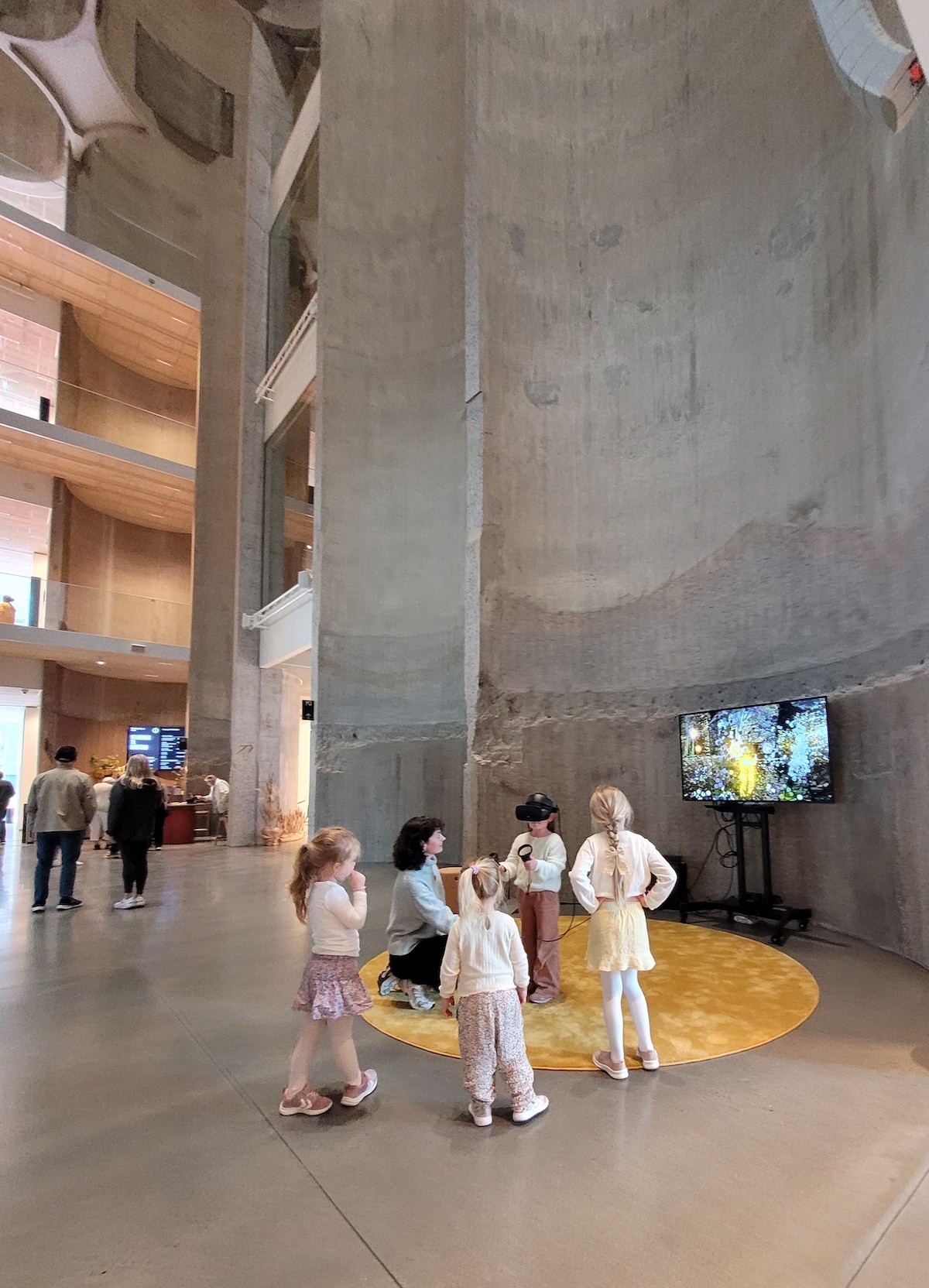
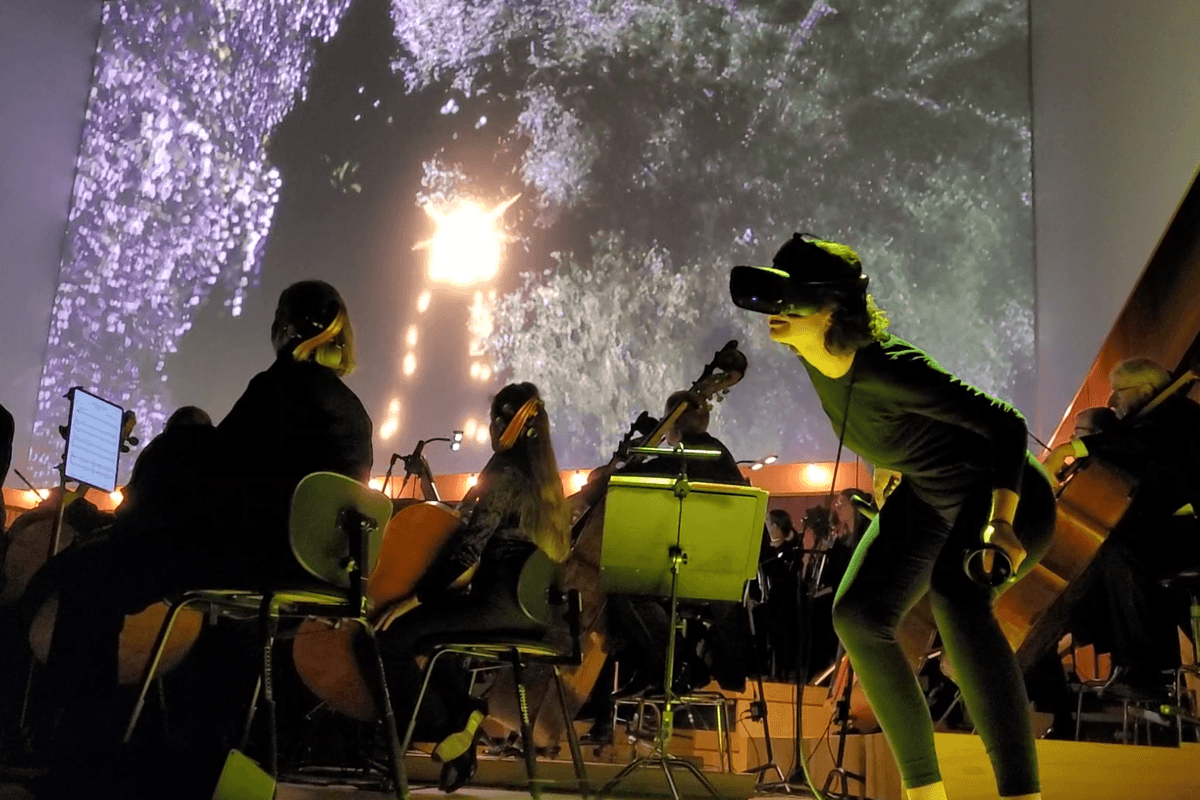
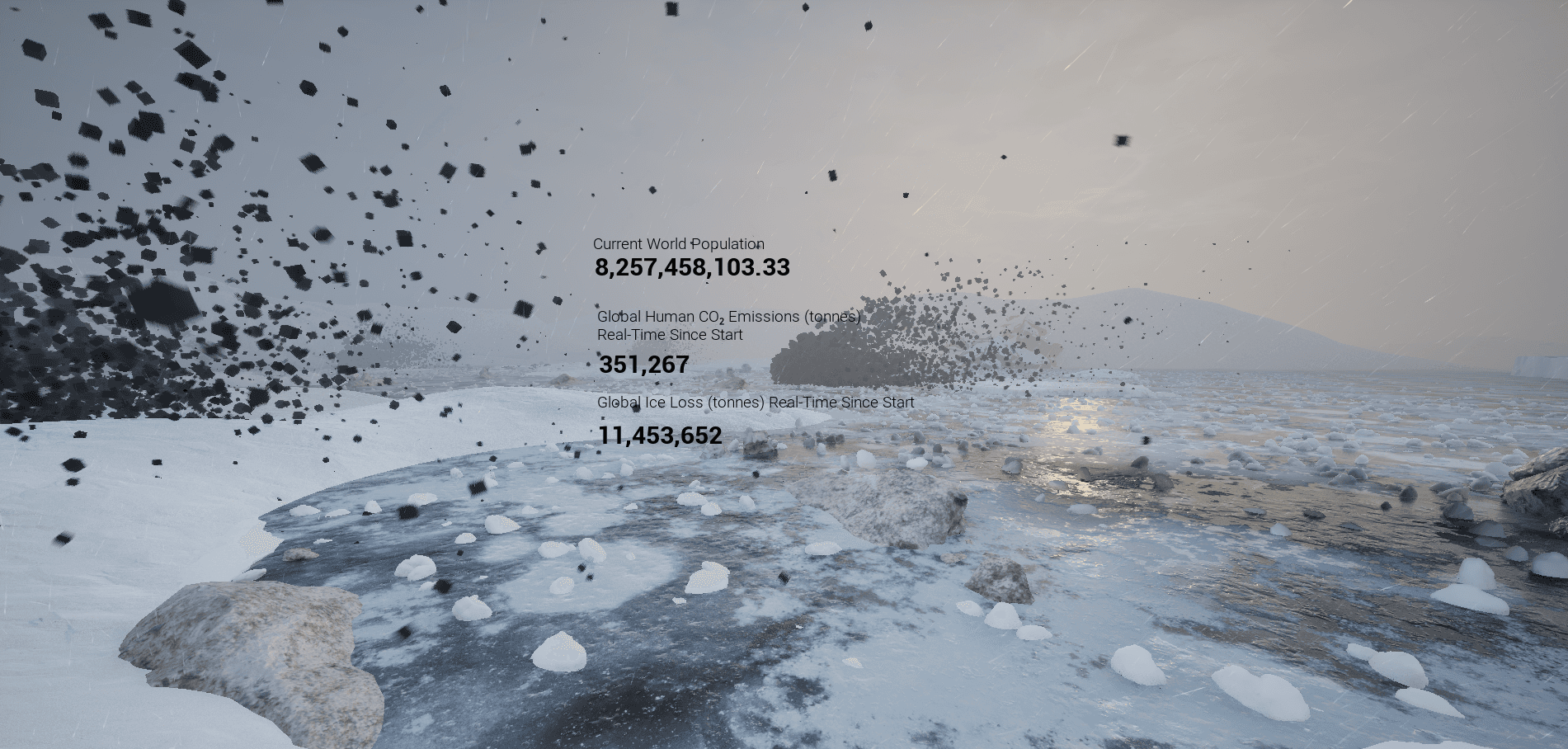
about.
I am exploring how media can help shape new social imaginaries grounded in biocentric perspectives.
I am a researcher whose work has evolved from studying human emotions and cognition in interactive media to developing a non‑anthropocentric and ecocentric philosophy of media aimed at transforming social imaginaries and challenging the current destructive paradigm. Early in my career, I worked on engineering psychology, affective gaming, and the neuroscience of emotion in video games and VR, designing emotional color scripting and emotionally reactive systems that modulate users’ feelings and presence through parameters such as color, movement, and social interaction.
Building on this foundation, I now explore how media, games, XR, and even our use of the Drake Equation can be reoriented to question human exceptionalism rather than reinforce it, arguing that advanced extraterrestrial civilizations might avoid contact with ecologically immature, self‑destructive societies like ours. Through concepts such as an exopsychological, biocentric contact‑willingness factor and tools like the Non‑Anthropocentric Media Evaluation Questionnaire (NAMEQ), my research seeks to foster ecocentric imaginaries and help reconfigure collective desires away from extractivism and toward multispecies coexistence.